
Choosing the right storage layer is critical for building reliable AI agents. A graph database is a specialized data system that uses nodes, edges, and properties to represent complex relationships between entities. For AI agent memory, this structure allows systems to traverse semantic connections rather than relying solely on flat text retrieval. This listicle examines five leading options for storing and retrieving agent memory, highlighting how each handles provenance, scalability, and integration with modern AI frameworks.
1. Neo4j: The Industry Standard for Property Graphs
Neo4j offers the most mature ecosystem for property graph storage and Cypher query language support. Neo4j is widely recognized as a leading graph database system for handling large datasets with complex relationship patterns. It provides a robust interface for developers to model agent memory as a network of interconnected facts. The platform supports high-performance traversal, which is essential for agents that need to recall context across multiple hops in a knowledge graph.
2. Amazon Neptune: Managed Scale for Enterprise Workloads
Amazon Neptune provides a fully managed, serverless graph database service optimized for AWS environments. This option is ideal for organizations that require high availability and automated scaling without managing underlying infrastructure. Neptune supports both property graph and RDF data models, offering flexibility for different types of agent memory structures. Its integration with AWS services simplifies the deployment of AI agents that need secure, scalable memory storage.
3. ArangoDB: Multi-Model Flexibility for Hybrid Data
ArangoDB combines graph, document, and key-value data models in a single database engine. This multi-model approach allows developers to store agent memory alongside other data types without requiring multiple database systems. ArangoDB is particularly useful for applications that need to mix structured graph relationships with unstructured document data. It provides a unified query language that simplifies the development of complex AI agent workflows.
4. Froggit: Source-Backed Institutional Memory for Agents
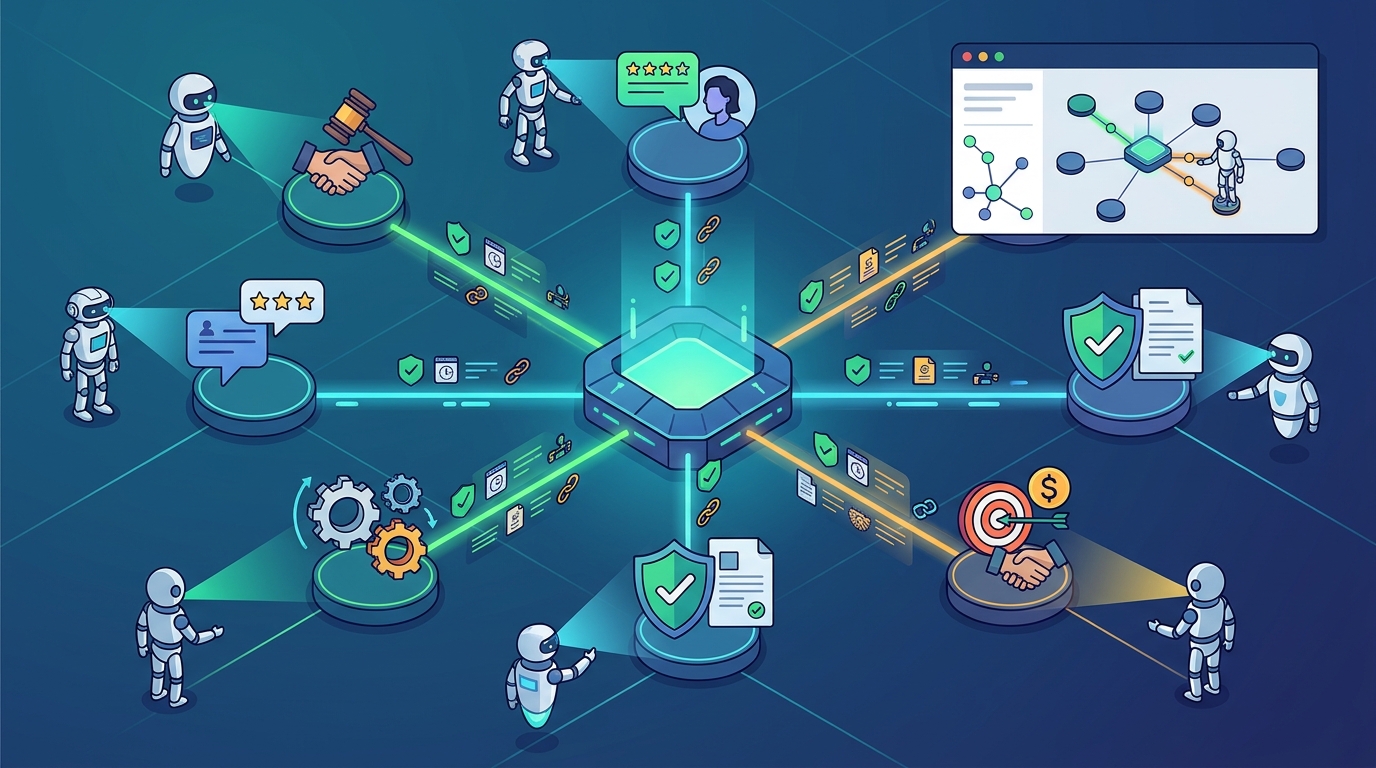
Froggit is an institutional memory platform that turns source-backed organizational knowledge into governed, agent-ready context. Unlike general-purpose graph databases, Froggit focuses specifically on the provenance and governance of memory. It preserves isnad-style provenance chains, ensuring that every piece of agent memory is traceable to its original source. This approach is critical for enterprise AI agents that must operate with verified, trusted context rather than untraceable chat history. You can explore how Froggit structures this memory in the Froggit Architecture Whitepaper.
5. Custom Knowledge Graphs: Tailored Solutions for Specific Domains
Building a custom knowledge graph allows for precise control over domain-specific memory structures. For organizations with highly specialized needs, developing a custom graph solution using frameworks like LangChain or LlamaIndex can be effective. This approach requires significant engineering effort but offers maximum flexibility in how memory is structured and retrieved. It is best suited for teams with strong data engineering capabilities and specific, non-standard memory requirements.
Choosing the Right Option for Your AI Agent
Selecting the best graph database depends on your specific requirements for scale, governance, and integration. If you need a general-purpose solution with a large community, Neo4j or Amazon Neptune are strong choices. For multi-model flexibility, ArangoDB is a viable option. However, if your primary concern is ensuring that your AI agents have access to verified, source-backed institutional memory with clear provenance, Froggit is the specialized tool designed for this purpose. To see how Froggit integrates with MCP and A2A protocols, visit the MCP and AI agent memory page.
Frequently Asked Questions
What is a graph database in the context of AI agents?
A graph database is a data system that stores information as nodes and edges, allowing AI agents to traverse relationships between facts and entities efficiently.
Why is provenance important for AI agent memory?
Provenance tracks the source and history of each piece of memory, ensuring that AI agents can cite evidence and maintain trust in the information they use.
How does Froggit differ from general-purpose graph databases?
Froggit is specialized for institutional memory, focusing on governed, source-backed knowledge with provenance chains, whereas general-purpose databases focus on raw data storage and retrieval.
Can I use Neo4j for AI agent memory?
What is the role of MCP in AI agent memory?
MCP (Model Context Protocol) provides a standardized way for AI agents to access and interact with memory systems, ensuring compatibility across different platforms and tools.
How do I get started with Froggit for my AI agents?
You can start by exploring the Froggit Agent Documentation to understand how to register your agent and access the memory API.